Musea Brugge Card

12 Attractions, 1 Card

From the Belfry to the Groeninge Museum – discover all museums and monuments included in the Musea Brugge Card

4.4 (130)
  • Belfry, Town Hall, Groeninge Museum & more
  • Michelangelo's Madonna and Child in the Church of Our Lady
  • Save over €60 compared to individual tickets
From
$ 57.69 / Person
Belfry of Bruges
Groeninge Museum
Sint-Janshospitaal

Belfry (Belfort)

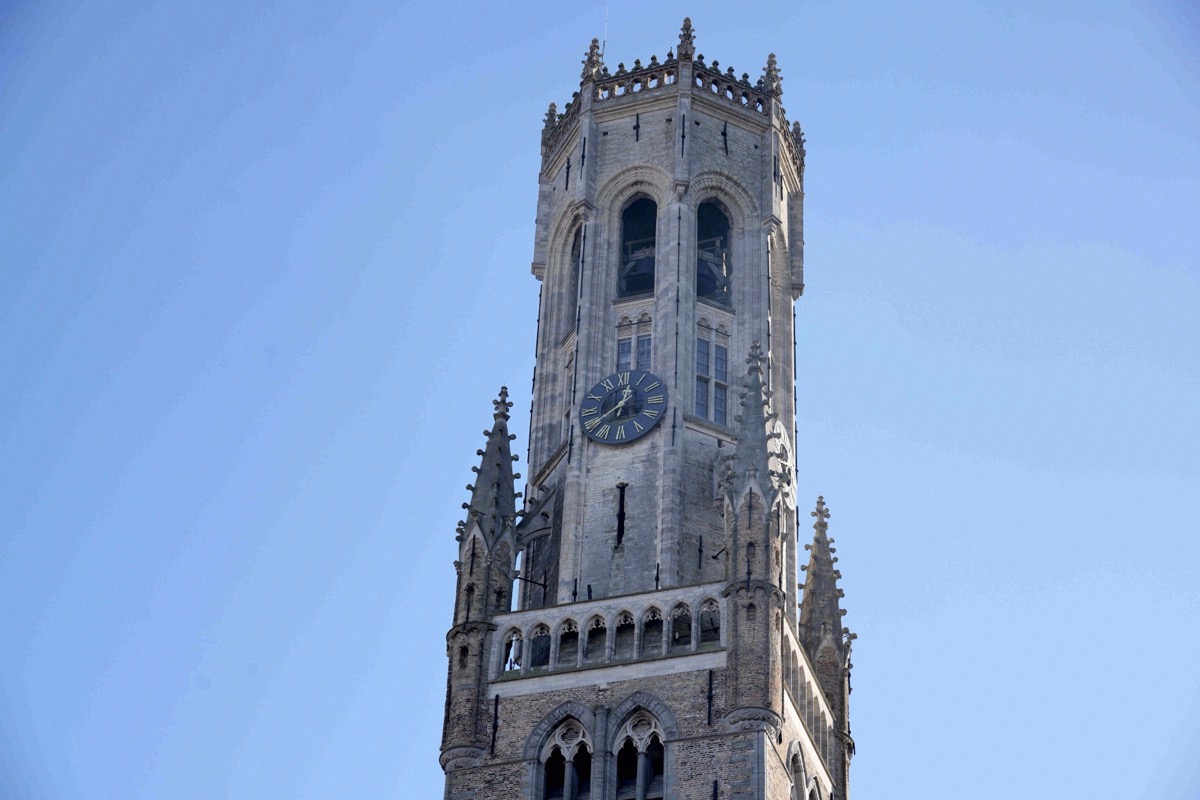
The 83-meter-high Belfry on the Grote Markt is Bruges' landmark and belongs to the UNESCO World Heritage. Its construction began in the 13th century, and over centuries it grew into the Gothic tower that dominates the skyline. 366 steps lead to the top; along the way you'll learn more about the history of the medieval defensive and bell tower. At the top, a panoramic view over the city and surroundings awaits you. In the bell chamber hangs a carillon with 47 bells that plays melodies at set times.

Town Hall and Bruges Free County (Stadhuis & Brugse Vrije)

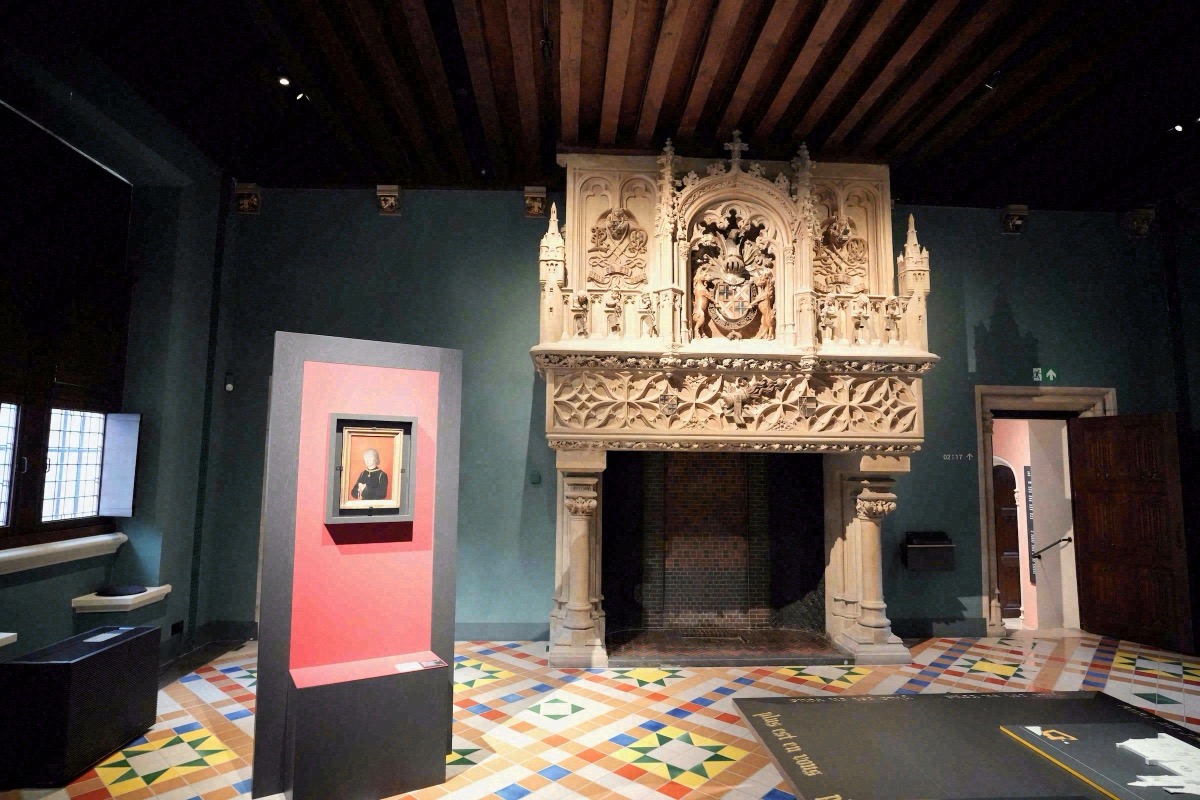
On Burg Square stands the Gothic Town Hall from 1376 - one of the oldest in the Netherlands. For over 600 years, the city was governed from this magnificent building. Particularly worth seeing is the Gothic Hall with its colorful vaulted ceiling and murals depicting city history. Right next door lies the historic hall of the Bruges Free County (Brugse Vrije). There you can admire a monumental Renaissance fireplace (1528) made of wood, marble and alabaster - created in honor of Emperor Charles V. The richly decorated hearth by Lanceloot Blondeel is considered a masterpiece and testifies to the region's former wealth.

Groeninge Museum

The Groeninge Museum is Bruges' most famous art museum. It offers a diverse overview of six centuries of Belgian fine art, with the collection of Flemish Primitives forming the highlight. World-famous paintings by Jan van Eyck, Hans Memling, Hugo van der Goes and Gerard David are exhibited here - such as van Eyck's Madonna of Canon Van der Paele (1436). Furthermore, you can admire neoclassical works from the 18th/19th centuries, Flemish expressionist paintings and modern post-war art. The 15 exhibition rooms guide you chronologically through art history. Some pieces - such as Hieronymus Bosch's Last Judgment triptych - are considered milestones of European art.

Gruuthuse Museum

In the magnificent city palace of the Lords of Gruuthuse (15th century), the Gruuthuse Museum houses a cultural-historical museum with over 600 exhibits. During the tour, you immerse yourself in three great epochs of Bruges: the glorious Burgundian period of the 15th century, the often overlooked Baroque period of the 17th/18th centuries, and the neo-Gothic revival of the 19th century. Majestic tapestries, colorful Gothic stained glass windows and delicate wooden sculptures bring the Middle Ages to life. You'll also see fine Brussels lace, guild tools and paintings from various centuries. A laid noble table with silverware and Chinese porcelain illustrates bourgeois prosperity in the 17th/18th centuries. The entire tour stands under the motto "Plus est en vous" ("There is more in you"), the motto of Lodewijk van Gruuthuse. The palace also impresses architecturally - among other things through a wooden private chapel that leads to the choir of the Church of Our Lady.

Church of Our Lady (Onze-Lieve-Vrouwekerk)

The Church of Our Lady with its 115-meter-high brick tower is a masterpiece of Gothic architecture and shapes the city's silhouette. Its interior houses outstanding art treasures: Above all, Michelangelo's sculpture Madonna and Child in white marble - a world-famous work that reached Bruges in 1514. In the choir stand the magnificent late Gothic tombs of Mary of Burgundy and her father Charles the Bold. These richly decorated ducal tombs in bronze captivate visitors. Other highlights include medieval Brabant stained glass and a Passion triptych by Bernard van Orley. The church itself was built from 1230 onwards and combines various architectural styles: the nave in Tournai stone (Scheldt Gothic) and choir as well as apse in brick in French High Gothic. A visit is worthwhile not only for the art - the quiet, spiritual atmosphere of this house of worship also leaves a lasting impression. (Note: The church section is freely accessible; the museum section with the artworks requires admission, but is included in the card.)

Our Lady Museum ter Potterie

Somewhat off the beaten path of the old town lies the Museum Onze-Lieve-Vrouw ter Potterie, a former hospital with attached church directly on the canal. Already in the 13th century, nuns cared for the sick, pilgrims and needy here. Today the museum presents a variety of artworks, religious objects and medical instruments from past centuries in the historic hospital rooms. The centerpiece is the Baroque church with its magnificent altar area. There stands a miraculous statue of Mary from the 13th century, one of the oldest Marian figures in Bruges. The baroque church interior with richly carved altars and gleaming silver treasure testifies to the long veneration of this Madonna. Visitors experience here an interplay of healing arts and saint veneration: From the sick ward through the monastery pharmacy to the sacred treasure, the Potterie ensemble offers a unique insight into Bruges' spiritual and caring history. (Note: The church can be visited free of charge; access to the museum is free with the card.)

Folk Museum

In the Folk Museum you immerse yourself in everyday life of the 19th and early 20th centuries. Eight lovingly restored small craftsmen's houses show what life looked like over a hundred years ago. You enter, for example, an old classroom with wooden benches and slate boards, a tailor shop with sewing machine, a pharmacy full of herbs and tinctures as well as a grocery store and a confectionery. The authentic scenes with numerous everyday objects bring the past to life. Temporary exhibitions also take place on the upper floor. Particularly atmospheric: On every first and third Thursday of the month, pastries are made on-site in the museum bakery, so the scent of fresh sweets wafts through the rooms. For refreshment, you can take a break in the historic museum inn De Zwarte Kat. In the idyllic inner courtyard, traditional folk and children's games invite you to try them out. Thus the Folk Museum entertainingly combines history with hands-on experiences for young and old.

Sint-Jans Hospital & Old Pharmacy

The Sint-Jans Hospital from the 12th century is considered one of the oldest preserved hospitals in Europe. In the centuries-old sick wards - with their wooden roof structure, which is among the oldest in Europe - you learn much about medieval medicine and nursing. Original beds, medical instruments and information panels illustrate how pilgrims and sick people were cared for here. At the same time, the hospital served as home to high art: Hans Memling created several masterworks for the monastic community that can still be seen here today. This includes particularly the famous Shrine of St. Ursula - a richly decorated reliquary that tells the legend of St. Ursula in miniature paintings. In total, the museum houses six Memling paintings and thus the second-largest Memling collection in the world. A multimedia "Closer to Memling" module in the attic allows you to explore the details of these works interactively. On the tour, you should also visit the monastery pharmacy: Right next to the hospital rooms is the completely preserved pharmacy from 1643 with its authentic interior.

Sint-Janshuismolen (Sint-Janshuismolen)

On the green ramparts in the east of Bruges stand four historic windmills - and the Sint-Janshuismolen from 1770 is the only one of them at its original location. Inside and out, the wooden mill conveys a vivid picture of the old miller's craft. On windy days, grain kernels are actually still ground into flour between heavy millstones here - a great spectacle for visitors. Via a steep staircase you reach the interior, where the creaking grinding mechanism and countless gears impressively demonstrate the technology of bygone times. At the top, a magnificent view over the city and surrounding parks rewards you. In the summer months, the mill is regularly open and can be visited free of charge with the Musea Brugge Card (outside opening hours, it can at least be explored from the outside).

Gezelle House

In the Gezelle House a literary gem awaits you: It is the birthplace of the Flemish priest and poet Guido Gezelle (1830-1899), which today houses a freely accessible museum about his life and work. The small house in the quiet folk neighborhood Sint-Anna is originally preserved and provides an authentic insight into Gezelle's world. In several rooms, you learn more about his biography, his poetic creative phases and his commitment to the Flemish language along thematic stations. Numerous manuscripts, books and personal belongings of the poet make clear why Gezelle is still considered one of the most important representatives of Dutch literature today. A highlight is the beautiful, walled garden behind the house, which can also be visited outside opening hours. From here you have a wonderful view of the Sint-Janshuismolen.